

touch light bathroom mirror
Understanding Internal Bore Gauges An Essential Tool for Precision Engineering In the realm of manufacturing and mechanical engineering, precision is paramount. One of the indispensable tools that help achieve this precision is the internal bore gauge. This instrument is specifically designed to measure the diameter of a hole or bore, ensuring that products meet stringent specifications and standards. This article delves into the functionality, types, applications, and importance of internal bore gauges in the industry. What is an Internal Bore Gauge? An internal bore gauge is a precision measuring tool used to determine the internal diameter of cylindrical objects, such as pipes, tubes, and various components with drilled or bored holes. Unlike external measuring tools, which measure outside diameters, the internal bore gauge fits inside the bore and expands to make contact with the inner walls. This allows for an accurate measurement of the internal features, which is crucial for quality control in manufacturing processes. Types of Internal Bore Gauges There are several types of internal bore gauges, each designed for specific applications and measurement ranges 1. Dial Bore Gauges These are among the most common types used in industry. They feature a dial indicator and a set of arms that expand to contact the walls of the bore. As the gauge is inserted into the bore, the dial reads the diameter, often allowing for very precise measurements. 2. Digital Bore Gauges These modern devices utilize electronic sensors and digital readouts to measure bore diameters. They are favored for their ease of use and ability to provide quick, accurate measurements with less manual calculation involved. 3. Tapered or Conical Bore Gauges These gauges can measure slightly tapered bores, providing measurements for components that may not be perfectly cylindrical . internal bore gauge 4. Go/No-Go Gauges Designed for quick checks, these gauges indicate whether a bore is within specified limits. If the gauge fits, it indicates that the diameter meets the minimum requirement (Go), while if it doesn't fit, it indicates a defect (No-Go). Applications of Internal Bore Gauges Internal bore gauges are utilized across a wide range of industries - Manufacturing In the production of engine components, valve guides, and hydraulic cylinders, ensuring exact dimensions is crucial for performance and longevity. - Aerospace With stringent safety and performance standards, aerospace components must adhere to precise specifications, and internal bore gauges are essential in these quality assurance procedures. - Automotive The automotive industry uses bore gauges to measure everything from cylinder bores to pin holes, helping to maintain performance and efficiency in vehicles. - General Engineering From construction equipment to everyday machinery, many products require precise interior measurements, making bore gauges a staple in workshops and factories. Importance of Internal Bore Gauges The significance of internal bore gauges cannot be overstated. They help ensure that components fit together correctly, preventing issues such as excessive wear, malfunction, or failure during operation. Accurate measurements contribute to overall product quality, enhance operational efficiency, and reduce costly rework or replacement due to defects. Moreover, the use of internal bore gauges aligns with industry standards for quality management systems, such as ISO, which emphasize the need for precision tools in manufacturing processes. By adopting best practices in measurement, manufacturers not only meet these standards but also enhance their reputation and competitiveness in the market. Conclusion In conclusion, internal bore gauges play a critical role in the realm of precision engineering. Their ability to accurately measure internal dimensions ensures that components are built to specification, facilitating quality control and operational efficiency across various industries. As technology continues to evolve, so too does the precision of these tools, driving advancements in measurement that ultimately contribute to the overall effectiveness of manufacturing processes and the reliability of the products we use every day.
about
touch light bathroom mirror
Understanding Precision Frame Level in Modern Manufacturing In the realm of manufacturing and engineering, the term precision frame level has become increasingly pivotal. As industries worldwide evolve, the need for precision and accuracy in production processes has grown significantly. It is essential to delve into this topic, exploring its mechanisms, its importance in various sectors, and the technologies that underpin its application. What is Precision Frame Level? Precision frame level refers to the degree of accuracy and stability in a framework used for assembly, construction, or manufacturing processes. It ensures that the elements within a frame are aligned and leveled to meet strict tolerances. In practical terms, a precision frame acts as a reference point, allowing engineers and technicians to work with confidence that their projects will yield the intended results without anomalies caused by misalignments or inaccuracies. The Importance of Precision in Manufacturing The importance of precision in manufacturing cannot be overstated. In sectors such as aerospace, automotive, and high-tech electronics, even the slightest deviation from the specified measurements can lead to catastrophic failures or costly recalls. As products become more complex, the tolerances required shrink, necessitating advanced measures to ensure that every part fits together as designed. Moreover, precision directly influences the efficiency of production processes. High levels of accuracy reduce the need for rework, which can drain resources and lead to project delays. Precision frame levels improve workflow, enhance product quality, and can contribute to cost reductions in the long term. As businesses strive for lean manufacturing principles, precision becomes a key performance indicator. Technological Innovations Enhancing Precision The evolution of technology has significantly impacted the concept of precision frame levels . High-precision tools, laser leveling systems, and computer numerical control (CNC) machines are just a few examples of innovations that are helping to achieve unprecedented levels of accuracy. precision frame level 1. Laser Leveling This technology employs laser beams to determine a reference line or point, ensuring that work surfaces are completely level. Laser levels are incredibly accurate and can cover large distances, making them ideal for construction and large manufacturing setups. 2. CNC Machines These advanced machines are capable of executing complex designs with extreme precision by following computer-generated specifications. The integration of CNC technology in manufacturing processes ensures that every cut, etch, or hole drilled aligns perfectly within the framework. 3. 3D Printing The rise of 3D printing has revolutionized how objects are created. By allowing designers to produce complex geometries with high fidelity, 3D printing supports the precision frame level by producing parts that fit precisely as intended, reducing the likelihood of errors during assembly. Applications Across Industries Various industries have adopted precision frame levels in their operations, each benefitting uniquely. In aerospace, where safety is paramount, the components of an aircraft must fit together flawlessly. A slight error can compromise the integrity of the entire vehicle. In the automotive industry, manufacturers run continuous quality checks and leverage precision frames to ensure that parts are manufacturable and fit together correctly in assemblies. The growing trend towards electric vehicles further intensifies the need for precision, as these technologies demand increasingly sophisticated designs. In construction, precision levels help to ensure that building structures are not only aesthetically pleasing but also safe and durable. A level foundation is crucial for ensuring long-term stability and preventing structural issues. Conclusion As the manufacturing landscape continues to evolve, the significance of precision frame levels will only increase. Bridging the gap between traditional assembly methods and modern technological innovations is essential for successful production. Companies that invest in precision not only improve their operational efficiency but also enhance their competitiveness in the global market. Embracing precision will pave the way for new possibilities, driving innovation and ultimately shaping the future of manufacturing.
-

High quality industrial productsagement

High quality industrial products
View Details -

Meet the diverse needs of customers

Meet the diverse needs of customers
View Details -

Strict quality control

Strict quality control
View Details -

Top raw materials

Top raw materials
View Details -

Trusted supplier

Trusted supplier
View Details
Our application


news and information
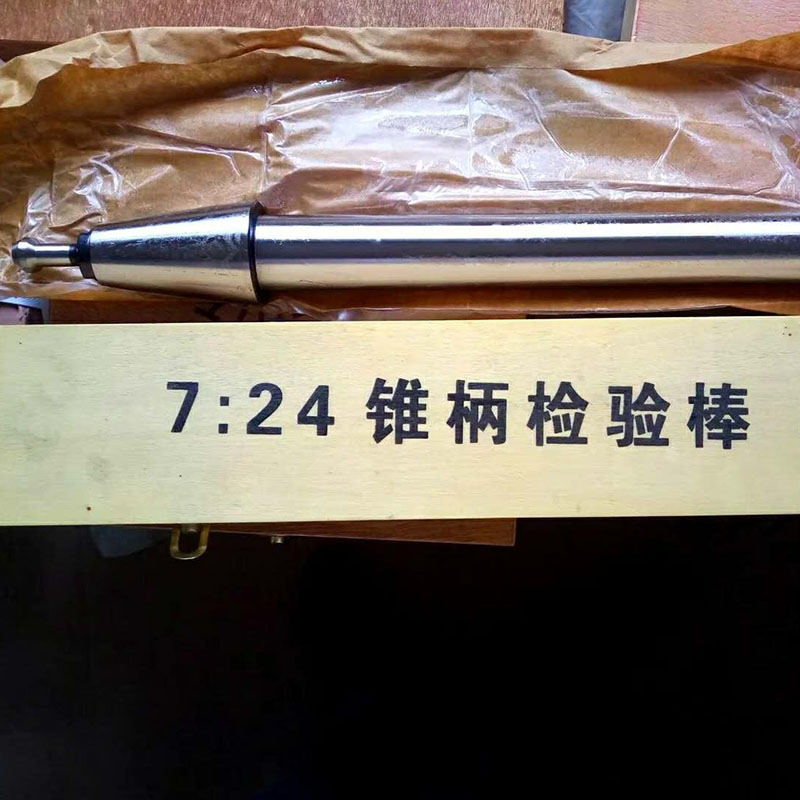
welding table cost
Understanding the Costs of Welding Tables When it comes to metalworking and fabrication, having the
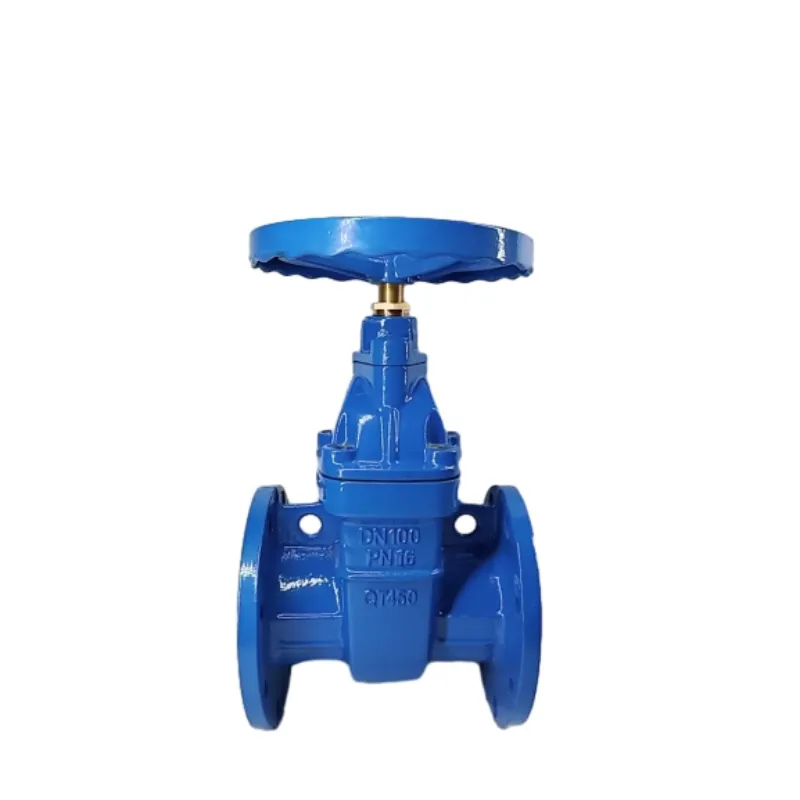
Water Gate Valve Pricing Guide for Affordable Options and Quality Choices
water gate valve price
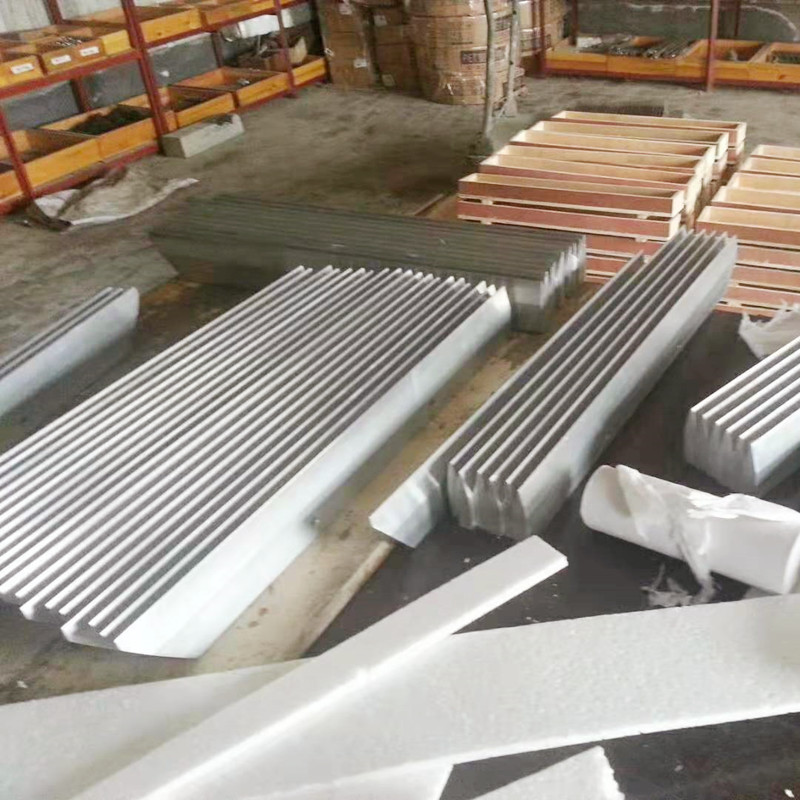
v block design
Exploring the V-Block Design A Revolutionary Approach in Architecture In the ever-evolving landscape
 English